
Glow, Gather, Create: Seasonal Centerpieces With Hand-Poured Candles
Materials That Make the Table Shine
Choosing the Right Wax
Soy delivers creamy opacity and dependable cold throw, beeswax lends golden warmth and natural honeyed notes, while coconut blends offer smooth tops and lower soot. Consider melt point and climate: summer patios appreciate slower, sturdier formulas, whereas winter tables benefit from quick fragrance bloom and softer light.
Wicks, Vessels, and Tools
Cotton wicks suit most containers, wood wicks add gentle crackle and wide flames, and both demand proper diameter testing. Pair heatproof vessels with centered wick stickers, accurate digital scales, and steady pouring temperatures. A heat gun rescues imperfect tops; patience ensures consistent, safe centerpiece performance.
Spring Awakening
Summer Breeze
Fireside Minimalism
Festive Gatherings
New Year Spark
Balance, Scale, and Sightlines
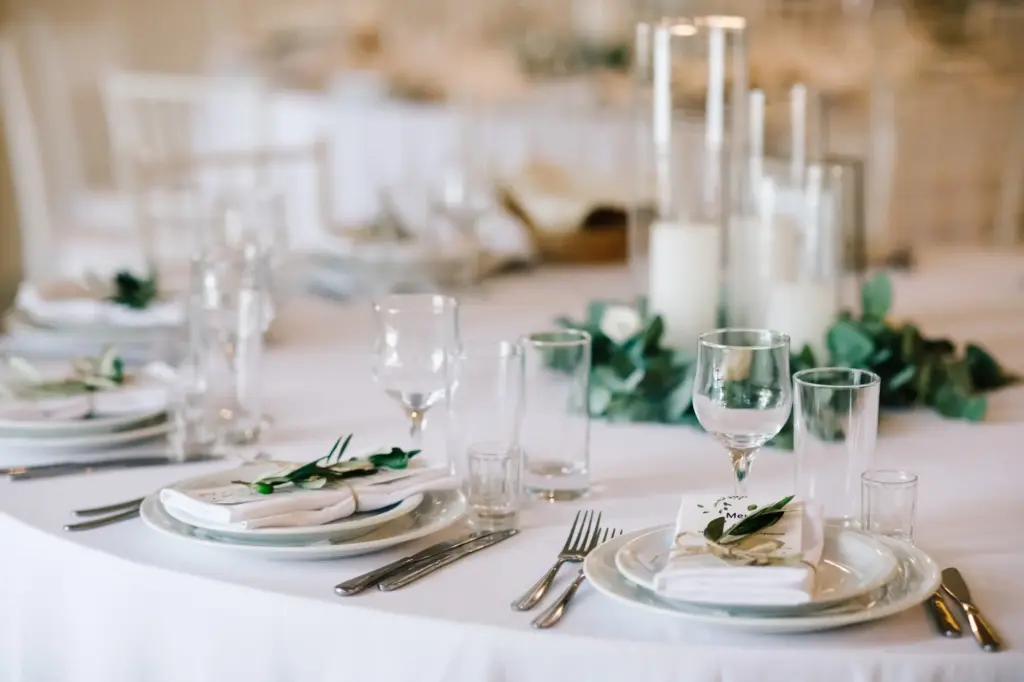
Choose varied heights deliberately, keeping higher pieces between diners, not directly ahead. Mix slender tapers with mid-height jars and a grounding pillar, then echo shapes in greenery. Test seated sightlines; your goal is easy conversation, passing dishes smoothly, and unobstructed smiles meeting across soft, steady light.
Color Stories and Texture Pairings
Build a restrained palette, then repeat it confidently through napkins, vessels, and stems. Rough linen contrasts glassy containers; velvet ribbon softens wood; matte ceramics steady metallic shine. When hues whisper rather than shout, flames read brighter, and your guests notice faces, flavors, and blessings first.
Scent Layering Across the Table
Keep fragrance zones gentle and directional: a citrus cluster near water, resinous notes by breads, herbal clarity buffering rich mains. Avoid competing blends on opposite ends. Test cold and hot throw beforehand, ensuring comfort for sensitive friends while maintaining ambiance that frames, never overwhelms, the meal.
Safety, Longevity, and Care
{{SECTION_SUBTITLE}}

Reliable Burn Tests
Heat-Resistant Bases and Safe Spacing
Share, Photograph, and Celebrate Together
Photographing Candlelit Scenes
Invite Friends and Family to Contribute
Keep the Conversation Glowing
All Rights Reserved.