
Seasons in Color: Linens, Dinnerware, and Candles in Harmony
Today we dive into color theory for coordinating linens, dinnerware, and artisan candles by season, translating principles into welcoming tables that feel alive. Expect practical palettes, believable stories, and sensory details that guide every decision from cloth texture to candle hue. Read on, experiment boldly, and share your own pairings so our community can learn, swap ideas, and celebrate gatherings that glow with intentional color.
Color Psychology at the Table
Colors shape appetite, conversation, and comfort long before anyone tastes a bite. Warm hues suggest generosity and energy, cool tones slow the pace for thoughtful talks, and balanced neutrals steady the mood. By understanding these effects, you can choose linens, plates, and candles that whisper the right messages. Bring your guests into the experience, then tell us afterward which combinations sparked laughter, calm, or that unforgettable second helping.
Seasonal Palettes That Welcome Every Gathering
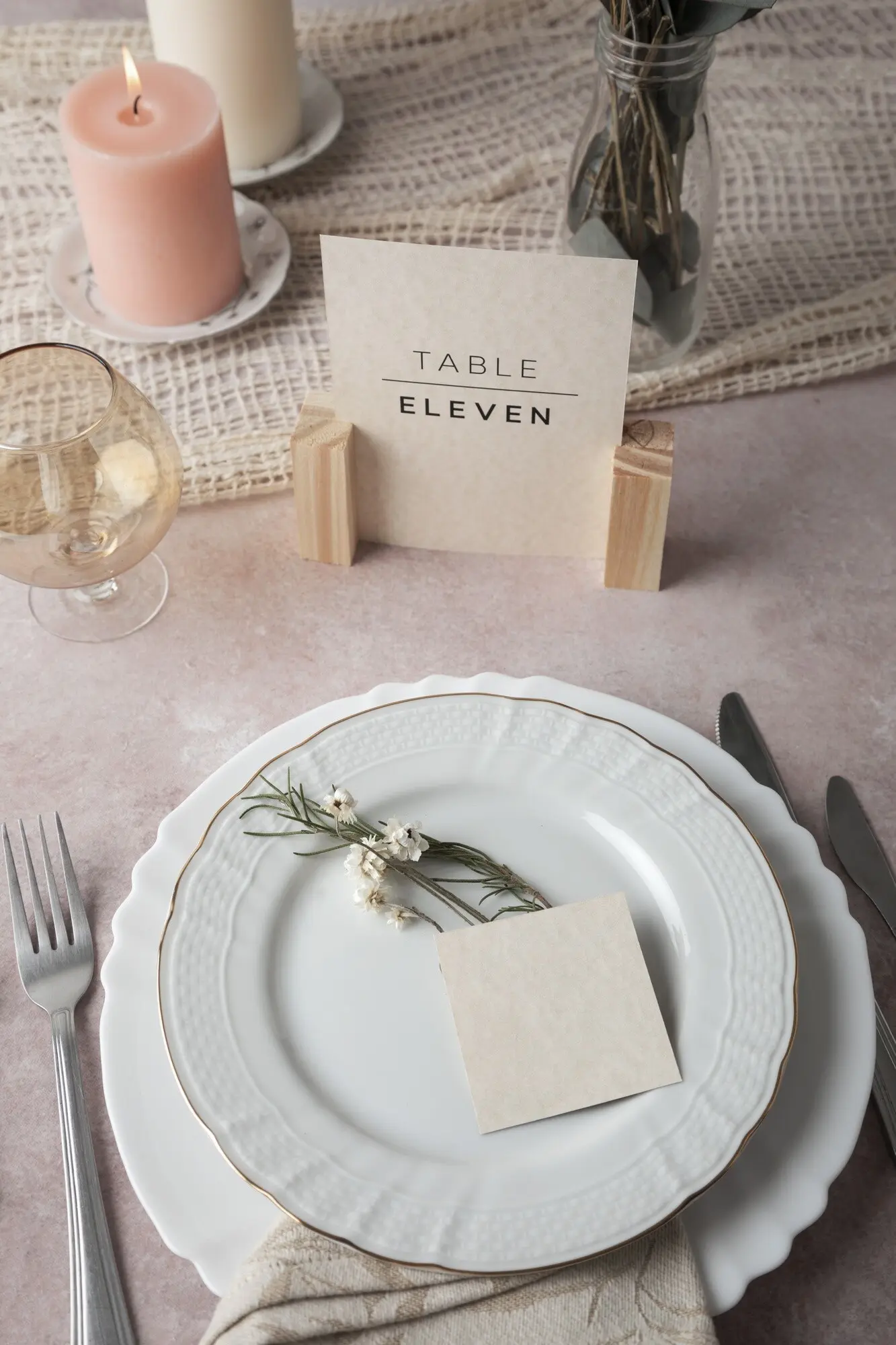
Seasonal rhythm helps decisions feel inevitable rather than forced. Spring wants tender contrast, summer craves sparkling freshness, autumn leans earthy and savory, and winter seeks clarity with glow. Let nature set the tempo, then translate it into cloth fibers, plate finishes, and candle wax tones. As you try these palettes, tag us or leave notes describing what worked in your light, your room size, and your favorite recipes.
Spring: Tender Greens, Bloom Pinks, and Porcelain Whites
Start with a flax runner and sheer sage overlay, then stack white porcelain with a soft blue rim. Napkins in blush or pale tulip create friendly transitions between stems and leaves in your arrangements. Choose candles in pear, hyacinth, or unbleached ivory so the table breathes. If rain clouds dull daylight, reflective chargers gently lift brightness. Tell us which blossom-inspired trio—green, pink, white or green, lilac, cream—felt truest to your neighborhood.
Summer: Citrus Brights, Ocean Blues, and Barefoot Neutrals
Lean into crisp contrasts: chalk-white linen, cobalt plates, and lemon or tangerine votives that slice through heat. Glassware with a faint aqua tint echoes shoreline clarity. Patterned napkins featuring tiny waves or micro-checks add movement without stealing attention. Consider chilled dishes and breezy centerpieces to match the palette’s refreshment. After hosting outside, report back on how sunlight transformed your blues at noon versus golden hour, and which candle hues held their vibrancy.
Materials Matter: How Fabric Weaves, Glazes, and Wax Shift Perception
Color isn’t only pigment; it’s surface, fiber, sheen, and light scatter. Linen slubs soften edges, matte glazes mute saturation, and wax translucency blurs intensity around a flame. Under different bulbs, the same hue can wander. Learn how weave density, glaze chemistry, and candle dye collaborate—or argue—at the table. Test in your actual room, then tell us which textures maintained harmony through brunch sun, afternoon shadow, and late-night candlelight.
Textiles: Weave Density, Fiber Content, and Laundering Effects
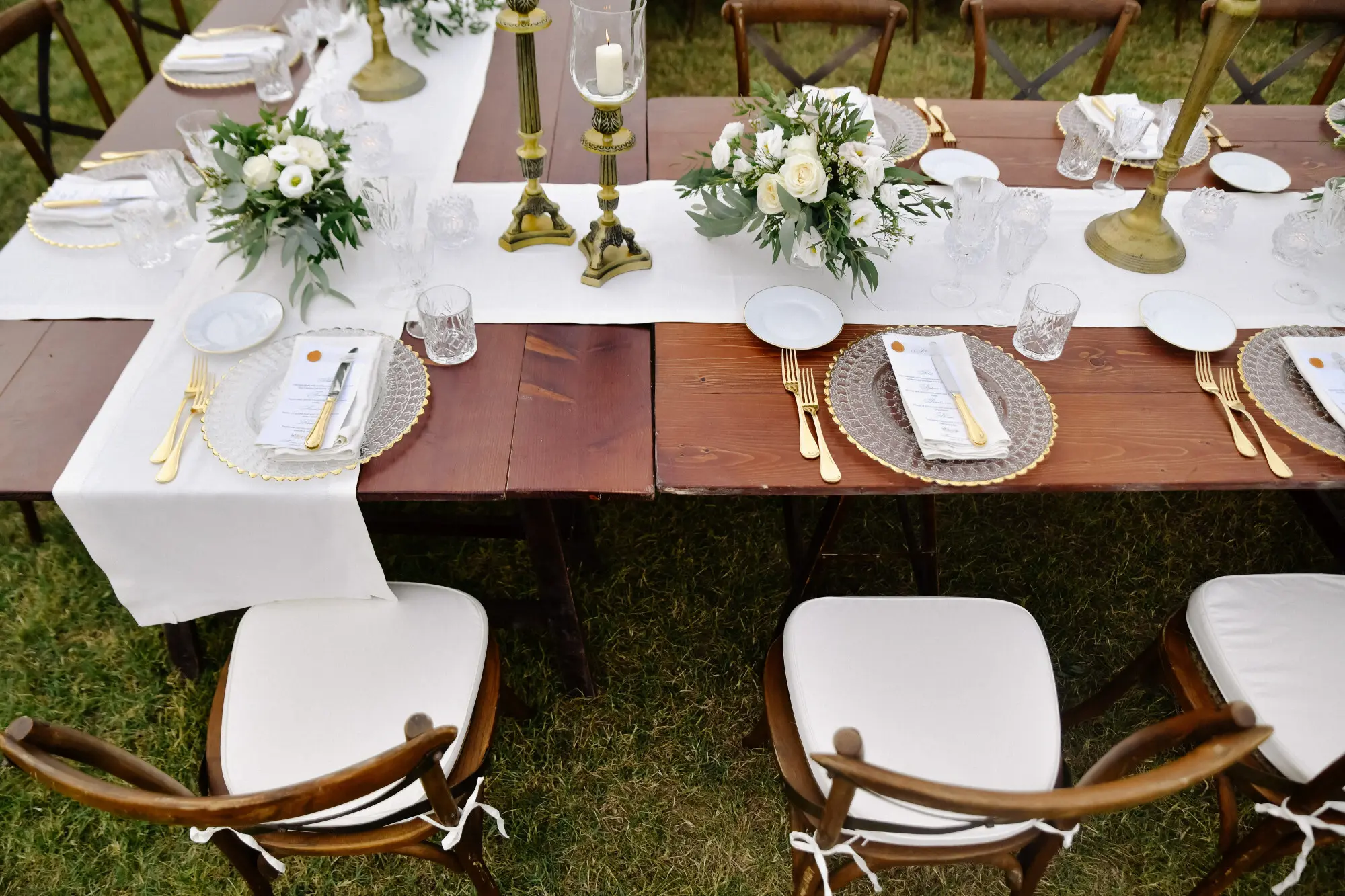
A loose linen weave drinks light, reducing glare and cooling saturated colors, while mercerized cotton brightens edges and crisps contrast. Pre-washed fibers often look dusted with air, which helps strong plates feel approachable. After laundering, undertones can emerge—yellow in flax, blue in gray—so retest pairings. If your runner reads dull at night, layer a gauze topper or swap to napkins with delicate hemstitching that adds lift without visual noise.
Dinnerware: Gloss, Satin, and Reactive Glazes Under Different Light
High-gloss plates mirror candle flames, exaggerating highlights and cooling blues, while satin finishes offer quiet diffusion that flatters earthy palettes. Reactive glazes introduce speckle and rivulets that enrich browns and greens, especially beside beeswax. Check color under warm and cool bulbs; metamerism surprises. Photograph a test setting near a window and again beneath dimmers to confirm consistency. Share whether gloss felt celebratory or distracting, and how satin affected your sauces’ appearance.
Candles: Pigments, Dyes, and Scented Undertones Steering Hue
Natural beeswax leans golden, warming cool table settings with honeyed light. Soy blends appear creamier, flattering pastels, while richly dyed paraffin can deliver exact accents like cranberry or spruce. Fragrance oils subtly tint perception—smoky notes read darker, citrus seems brighter. Try staggering heights to paint gentle gradients across plates. If color drift occurs as wax pools, adjust holder opacity or move candles outward. Report your favorite dye-to-linen matches for seasonal rituals.
Composing a Palette: Anchors, Layers, and Accents
A reliable structure keeps creativity confident. Choose one anchor shade for scale, a supportive secondary, and a decisive accent—often 60, 30, 10 percent. Linens typically anchor, plates carry the story, and candles punctuate with glow. Introduce quiet metals or greenery to bridge temperatures. Keep food colors in mind as moving participants. After dinner, invite guests to vote on which element—cloth, plate, or flame—most powerfully shaped their memory of the evening.
Choose the Anchor: The 60 That Sets the Stage
Pick a dominant cloth or runner to establish mood and temperature. A cool fog-gray calms summer glare; a wheat-toned linen wraps winter meals in warmth. Ensure the anchor flatters your walls and flooring, since they influence every decision. Once set, test plates and candles upon it with real dishes you serve. Post your anchor choices, room colors, and daylight orientation so others can glean combinations that truly translate across homes.
Layer the 30: Secondary Hues Through Plates and Napkins
This supporting layer adds contour without stealing attention. If your anchor is earthy, consider blue-gray plates to freshen, or moss-green napkins to deepen. Patterns become safer here—stripes, botanicals, or speckles read as texture. Evaluate undertones carefully; a green with yellow lean embraces warmth, while blue-leaning green cools. Swap one piece at a time to see micro-shifts, then comment with your most surprising discovery that felt inevitable once you noticed it.
Ignite the 10: Candlelight Pops, Metallic Twinkles, and Seasonal Greens
Accents deliver personality and spark. Cranberry pillars transform neutral winters; marigold tea lights cheer muted summers; pine tapers stitch autumn to life. Polished brass frames heat, brushed nickel cools, and greenery ties everything to place. Keep ratios intentional—scatter, but not randomly. Photograph from guest height, judging how flames outline rims and stems. Share which accent hue made guests reach for their phones, and whether the photos matched your eyes’ impression.
Light and Flame: The Quiet Alchemy of Illumination
Color lives inside light. Daylight clarifies, evening softens, and candle flame rewrites edges with amber bloom. A 2200K glow deepens browns and golds; cooler bulbs crisp blues and whites. Vessels, shades, and reflective metals redirect warmth or cool. Test dimmers, vary heights, and mind safety. Invite friends to compare settings, then share which candle heights avoided smoke marks, which bulbs flattered glazes, and where shadows made textures feel deliciously tactile.
From Studio and Home: Stories That Prove the Palette
Color becomes convincing when it survives real kitchens, real chatter, and the clock. Makers and hosts adapt principles to constraints—tiny rooms, strong recipes, unpredictable light—turning theory into useful muscle memory. These accounts reveal how small switches redirect mood without rebuilding everything. Share your own story after reading: a swap you tried mid-service, a candle you retired forever, or the plate that finally made your stew glow like a welcome.
All Rights Reserved.